
Back to Space · 2024
The Lunar Light: Discovery
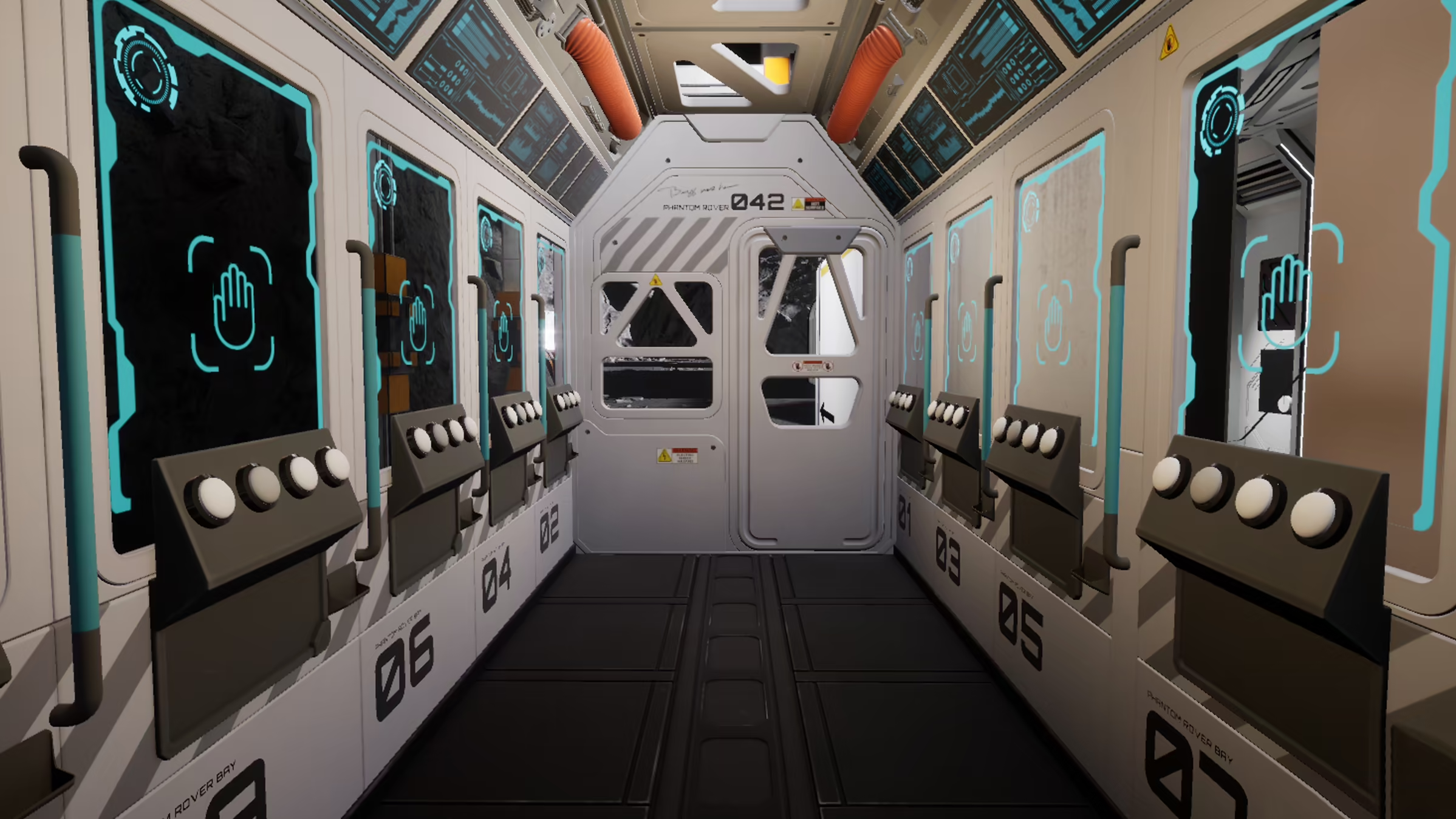
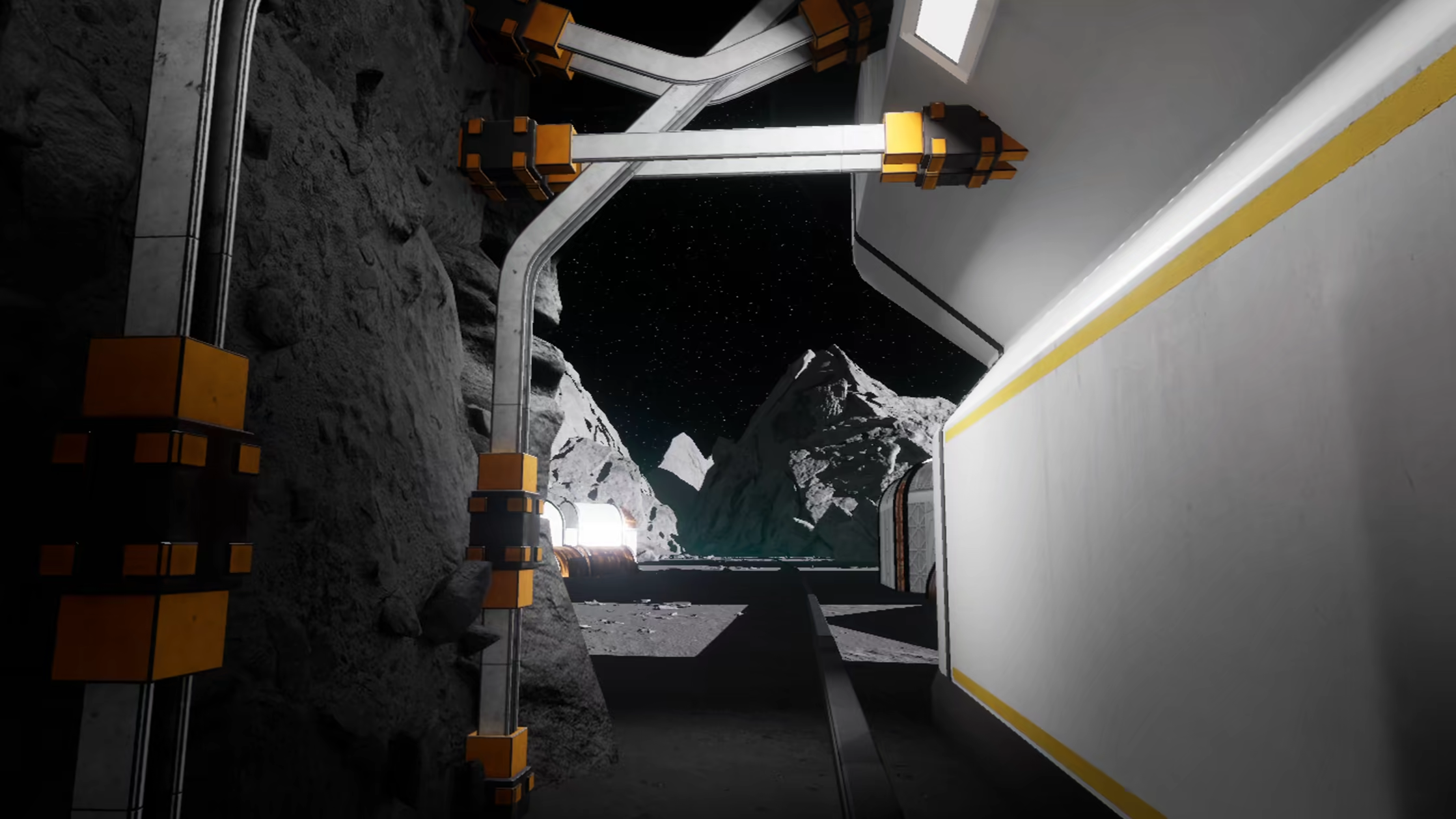
In collaboration with Back To Space, Devhouse conceptualized, engineered, and deployed a location based virtual reality entertainment experience leveraging the visual fidelity the Unreal Engine provides. Designed to immerse up to 10 visitors in a shared networked experience, The Lunar Light: Discovery is an awe-inspiring and authentic simulation of a lunar mission.
- Client
- Back to Space
- Year
- 2024
- Disciplines
- EngineeringDesignArt
- Platforms


01 Background
Transforming a physical venue into a lunar mission
In collaboration with Back To Space, Devhouse conceptualized, engineered, and deployed a location-based virtual-reality experience that simulates an authentic lunar mission. The installation was designed to transform a physical venue into a shared journey beyond Earth, allowing groups to participate in the same experience together. It combined immersive storytelling, spatial design, and real-time technology to make the scale and wonder of a lunar mission feel immediate.
02 Challenge
Networking a shared VR mission for 10 visitors
Develop a networked VR experience simulating a lunar mission, achieving high visual fidelity and real-time networking for 10 users. Every participant needed to remain synchronized while moving through a shared physical and virtual environment, with enough visual detail to sustain a convincing sense of place. The experience also had to remain understandable and engaging for visitors with different levels of familiarity with virtual reality.
03 Constraints
Aligning virtual space with a real-world venue
The shared virtual environment needed to align with a physical venue while meeting the client's timeline and budget and supporting up to 10 simultaneous visitors. Virtual architecture, tracked movement, hardware placement, networking, and guest flow all had to work within the dimensions and operating realities of the installation. Changes to the physical plan could affect the software experience directly, making early spatial validation essential.
04 Technical approach
Mapping Unreal Engine experiences to physical space
The team used Unreal Engine, supporting tools, and plug-ins to build custom solutions for the experience. A to-scale analog of the venue helped map the virtual experience accurately to the physical site. By testing the relationship between real and virtual space throughout development, the team could identify movement, visibility, and alignment issues early while refining the networked experience for groups of simultaneous visitors.
05 Timeline
Coordinating software milestones with venue deployment
The experience was developed and deployed against the client's venue schedule, linking software milestones to the realities of a physical installation. Concept development, spatial planning, networked prototyping, content production, and on-site validation had to progress in a coordinated sequence. Maintaining that connection helped the team arrive at deployment with both the virtual experience and its real-world setting working as one system.
06 Outcome
Delivering a synchronized lunar mission at venue scale
Shared lunar mission
A networked location-based VR experience supports up to 10 visitors in the same simulated mission, giving groups a synchronized journey through the lunar environment.
Physical-to-virtual alignment
A to-scale venue analog connected experience design to the real-world installation, allowing spatial decisions and technical risks to be evaluated earlier in production.
07 Lessons Learned
Testing real and virtual assumptions together
Modeling the physical venue alongside the virtual experience made spatial constraints testable early and guided custom technical solutions. Treating the installation and software as one product gave the team a clearer way to evaluate movement, networking, guest flow, and environmental scale. The project demonstrated that location-based VR benefits from validating real-world assumptions continuously rather than waiting until final on-site deployment.
Gallery