
Harvest Path, LLC · 2022
Hunter's Legacy: Echoes of the Past
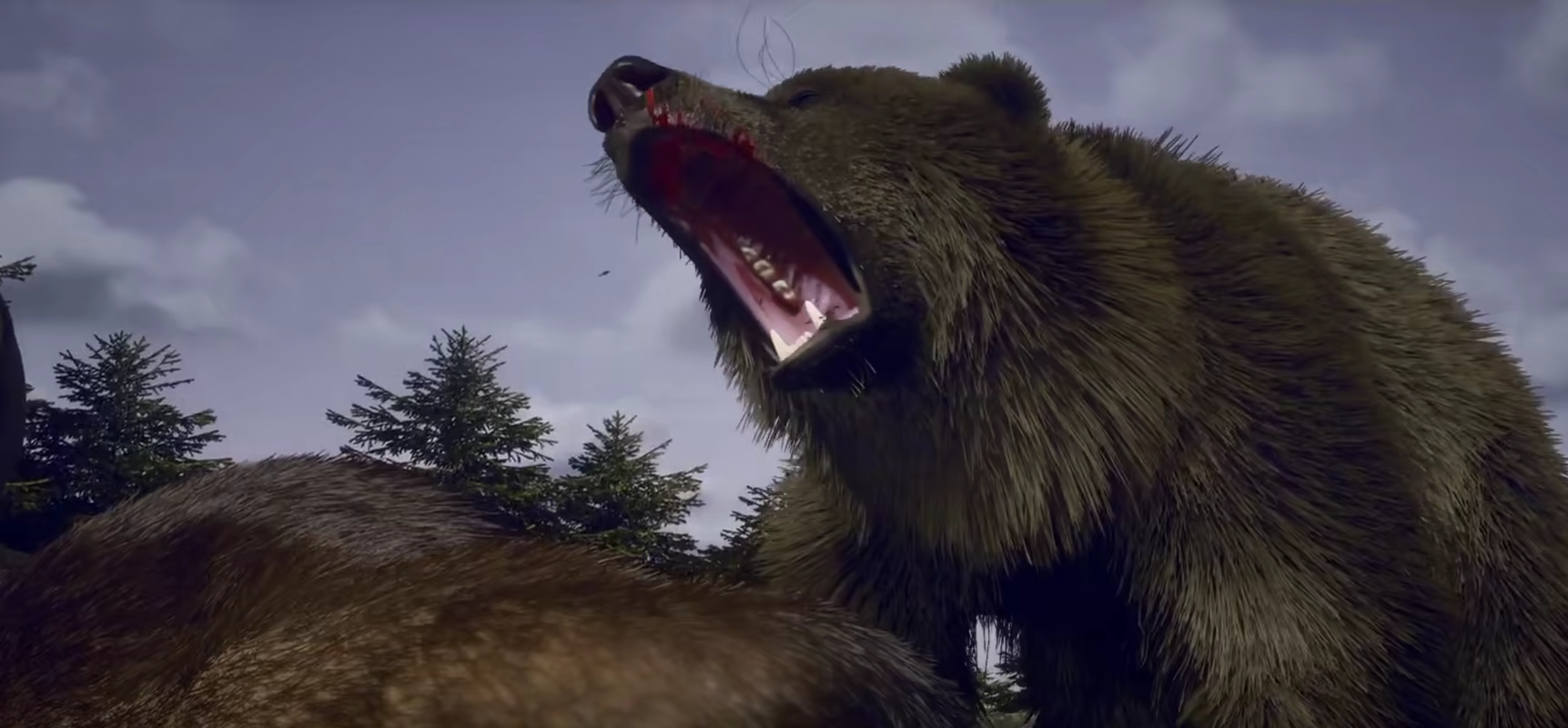
Hunter’s Legacy: Echoes of the Past is an immersive hunting simulation game that lets players experience the thrill of tracking and hunting wildlife in realistic environments. Explore vast, detailed landscapes as you stalk various animal species, each with unique behaviors and responses to the environment. Master the art of hunting with realistic weapon mechanics, ballistics, and AI-driven animal interactions.
- Client
- Harvest Path, LLC
- Year
- 2022
- Disciplines
- EngineeringDesignArt
- Platforms

01 Background
Building a grounded hunting simulation
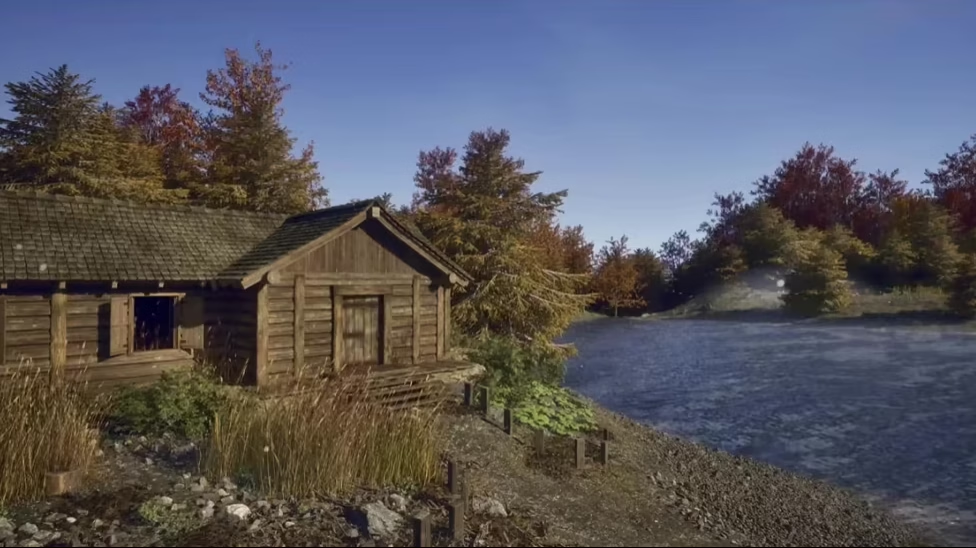
Hunter's Legacy: Echoes of the Past is an immersive hunting simulation built around tracking wildlife across detailed, realistic environments. Its landscapes are more than scenery: they shape visibility, movement, pacing, and the decisions players make while following an animal's trail. Devhouse contributed to a world intended to reward patience and observation while sustaining the atmosphere of a grounded outdoor experience.
02 Challenge
Making natural environments readable for players
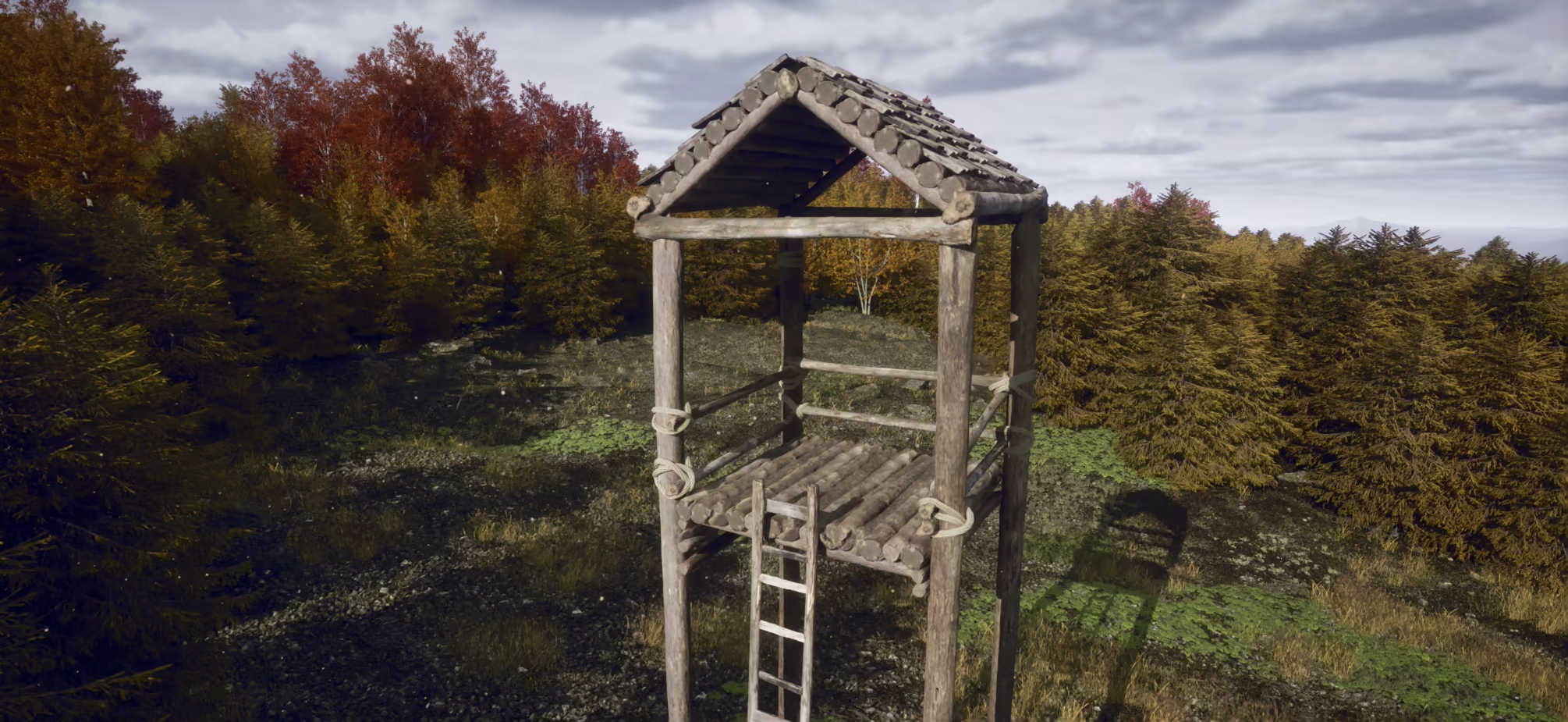
Create believable environments and animal encounters that support the pace and precision of a hunting simulation. Each area needed to feel natural while still giving players meaningful visual information about terrain, routes, cover, and wildlife activity. The challenge was to make exploration compelling without compromising the clarity required for deliberate, skill-based play.
03 Constraints
Balancing visual fidelity, AI, and performance
The experience needed to balance visual fidelity with responsive weapon mechanics, ballistics, and AI-driven animal behavior. Dense environments could not obscure the signals players rely on, and visual detail had to coexist with stable performance across extended play sessions. Every environmental choice therefore needed to serve both atmosphere and the underlying simulation.
04 Technical approach
Designing landscapes around tracking gameplay
Devhouse focused its contribution on visually rich environments that support tracking, exploration, and readable wildlife behavior. Terrain composition, sightlines, landmarks, and natural details were considered together so players could orient themselves and make informed decisions. Close coordination across art and design helped ensure that environmental polish reinforced gameplay instead of competing with it.
05 Timeline
Iterating from terrain to visual polish
The environments were developed through iterative passes that moved from broad spatial composition to gameplay review and visual polish. Each pass gave the team an opportunity to evaluate readability, atmosphere, and performance together before adding further detail. This progression kept the landscapes grounded in the needs of the hunting experience throughout production.
06 Outcome
Creating a more immersive hunting experience
Immersive environments
Detailed landscapes support exploration, tracking, and the atmosphere of the hunting experience while preserving the sightlines and environmental cues players need to make careful decisions.
Animal AI
Development of realistic animal AI behaviors, ensuring lifelike responses to player actions.
Advanced ballistics system
Implementation of an advanced ballistics system with accurate bullet drop and breath-hold mechanics for authentic weapon handling.
07 Lessons Learned
Treating atmosphere and readability as one system
In a simulation, environmental fidelity is most effective when it also communicates useful information to the player. Building art and gameplay considerations together helped the team create spaces that feel natural without becoming visually noisy. The work reinforced the value of reviewing atmosphere, readability, and performance as one connected problem.
Gallery